Knowing where you come from is only the beginning.
Heritage Reconnection is the ongoing process of building, rebuilding, strengthening, or deepening your relationship with your cultural heritage and deciding what that connection means in your life now.
It moves beyond simply knowing where you come from to understanding how heritage lives in your identity, family, traditions, and sense of belonging. Reconnection can mean recovering what was lost, strengthening what remains, exploring what was never known, or reclaiming what was questioned or denied. It also means making clear choices about what you keep, reshape, or pass on.
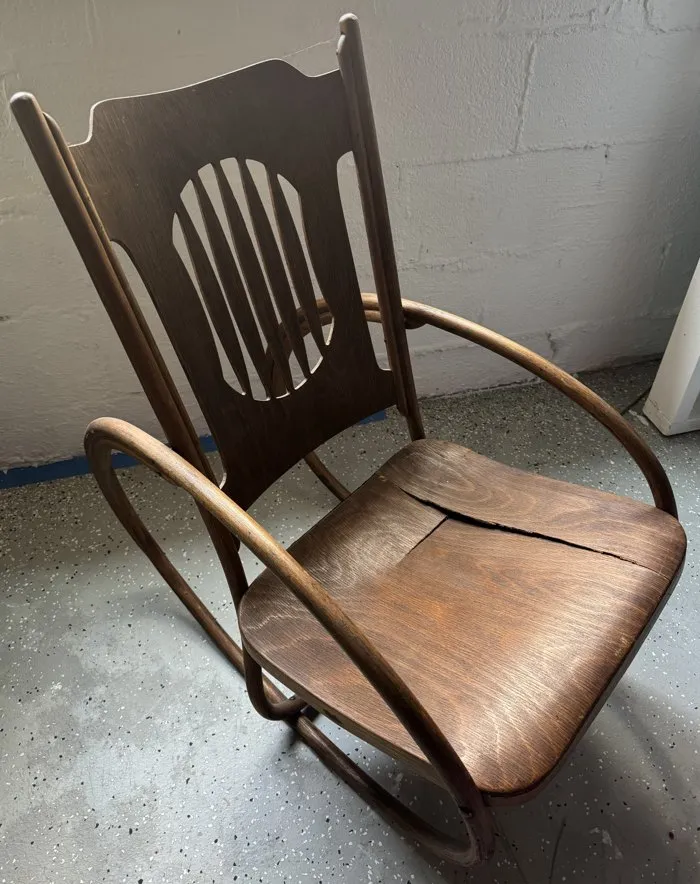
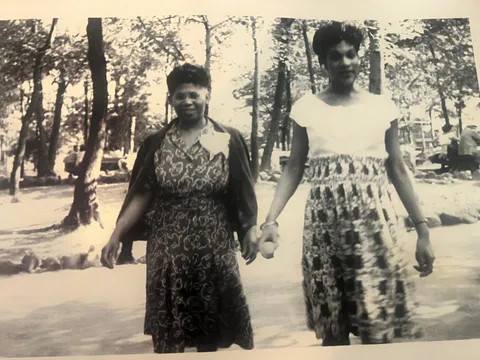
brought to NYC from Jamaica early 1900s
Discovery tells you where you come from.
Reconnection asks what you’ll do with it.
Genealogy, DNA, family stories, photographs, traditions, and research can help us learn more about where we come from.
Heritage Reconnection asks what happens next.
What does what you have learned mean in your life now?
How do you want to live it, share it, reshape it, or pass it on?
It is the difference between knowing about your heritage and actively engaging with your relationship to it.
Your heritage isn’t something you need to find. It’s already part of you.
- Strong
- Distant
- Interrupted
- Unfamiliar
- Still Developing
Your relationship with heritage can look different at different points in your life.
There is no one way to reconnect.
And it doesn’t require a passport. You can connect through community, food, stories, language, art, and daily practices, right where you are.
Creating a relationship with a heritage you may be learning about for the first time.
Returning to a connection that was interrupted by migration, adoption, pressure to fit in, language loss, family circumstances, or distance.
Making an existing cultural connection more intentional, meaningful, or present in everyday life.
Going further into a heritage you already know through learning, relationships, language, community, tradition, or lived experience.
A small piece can reveal a bigger story.
Heritage Fragments are tangible and intangible pieces of culture, family, history, and identity that we inherit, live with, discover, recognize, or notice are missing. They can be photographs, foods, names, objects, traditions, language, family sayings, stories, memories, or even absences.
An easy way to begin
You. Start with where you are: your story, your questions, and your relationship with your heritage right now.
The Fragment. Choose one piece: a photo, a recipe, a name, a saying, or something you notice is missing.
The Meaning. Ask what it reveals about where you come from, what shaped you, and what you want to do with it.
This is where the Heritage Fragments Framework™ begins. In workshops, programs, and the book, we go further.
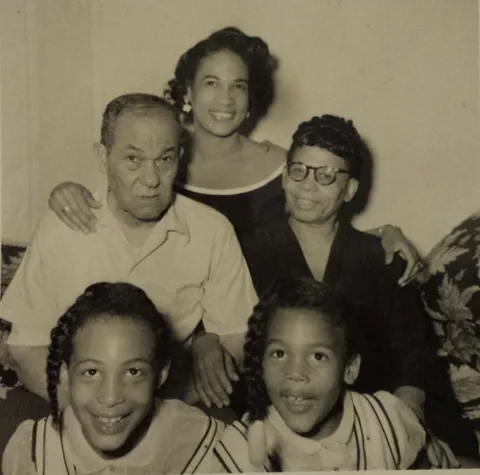
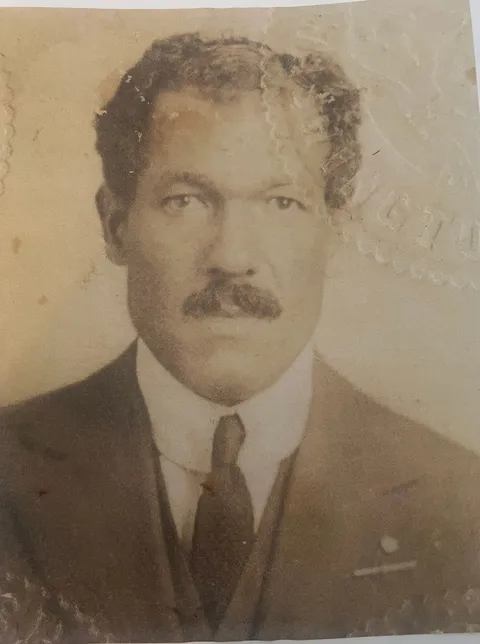
What will you preserve, reshape, or pass on?
What do you want to protect, document, practice, share, or keep alive?
What have you inherited that you want to adapt, reinterpret, or make your own in ways that fit your life now?
What do you want children, family, community, or future generations to know, experience, or carry with them?
Reconnection Begins With You. It Doesn’t End With You.
Heritage Reconnection is personal, but its impact can extend far beyond one person.
It may begin with something small: a photograph, a recipe, a name, a story, a tradition, an object, a gesture, a memory, or even something that is missing.
One person notices it and begins asking questions. That inquiry can lead to family conversations that recover memories, identify people and places, document traditions, preserve stories, and surface knowledge that might otherwise be lost.
- Individual
- Family
- Community
- Cultural Memory
Families are part of communities. Communities contribute to larger cultural histories. That is why Heritage Reconnection can also become preservation and legacy work.
Some cultural knowledge has been deliberately erased. Some has been interrupted through migration, displacement, assimilation, language loss, family separation, or silence. And some disappears simply because no one captured it before the person carrying it was gone.
Cultural preservation does not always begin in an archive, museum, or historical institution. Sometimes it begins with one person realizing:
This matters. I need to know more. I want to preserve this.
Heritage Reconnection helps people recognize what they carry, understand what it means, and decide what they want to reclaim, preserve, practice, reshape, or pass on.
We are not only inheritors of cultural history. We are creating it.
Heritage Reconnection Across People, Communities, and Organizations
The work remains the same. The application changes depending on the people, setting, and purpose.
Individuals & Families
Heritage Reconnection helps people better understand what they carry, explore what may have been lost or interrupted, deepen relationships with cultural heritage, preserve family knowledge, and make intentional decisions about what they want to preserve, practice, reshape, or pass on.
Museums & Cultural Institutions
Cultural institutions preserve and interpret collective history. Heritage Reconnection helps audiences recognize where that larger history intersects with their own lives. It can turn collective history into personal connection, personal connection into family inquiry, and family inquiry into preservation and legacy.
Schools & Universities
Heritage Reconnection helps students move beyond learning about culture and history to consider how those larger stories connect to their own identities, families, communities, and futures. It creates opportunities for curiosity, reflection, intergenerational conversation, cultural continuity, and preservation, even for students who do not know their full family histories.
Companies & Organizations
Heritage Reconnection moves cultural programming beyond awareness and celebration into personal meaning and connection. Through heritage-month programming, employee groups, learning experiences, and broader cultural initiatives, people can explore how culture, family history, memory, migration, tradition, and legacy have shaped who they are and what they choose to carry with them.
Community Organizations
Heritage Reconnection can help communities surface stories, strengthen intergenerational exchange, document cultural knowledge, and preserve the memories, practices, traditions, and experiences that help communities understand who they are.
What does this heritage mean in our lives now, and what do we want to do with it?
Start where you are.
There is more than one way to engage with Heritage Reconnection. Follow the path that fits what you need right now.
Explore the ideas
InsightsRead reflections, learn key concepts, and dive deeper into the ideas that shape this work.
Hear the stories
Roots RenewedListen to candid conversations about identity, belonging, and the many ways people connect, reconnect, and deepen their relationship with cultural heritage.
Use the tools
Book + ResourcesDiscover practical tools, guides, and resources to support your own reconnection journey.
Join the conversation
Cultural Roots Reconnection ClubBe part of a growing community exploring cultural heritage, identity, reconnection, preservation, and legacy.
Bring the work to your organization
Speaking & ProgramsInvite Tami Dee García to speak or partner with your organization for workshops, trainings, and custom programs.
A few common questions.
What is Heritage Reconnection?
Heritage Reconnection is the ongoing process of building, rebuilding, strengthening, or deepening your relationship with your cultural heritage and deciding what that connection means in your life now.
How is Heritage Reconnection different from genealogy or a DNA test?
Discovery tells you where you come from. Reconnection asks what you’ll do with it. Genealogy, DNA, family stories, and research can help you learn more about where you come from. Heritage Reconnection is about what happens next: how you want to live it, share it, reshape it, or pass it on.
What are Heritage Fragments?
Heritage Fragments are tangible and intangible pieces of culture, family, history, and identity that we inherit, live with, discover, recognize, or notice are missing. They can be photographs, foods, names, objects, traditions, language, family sayings, stories, memories, or even absences.
Do I have to travel to reconnect with my heritage?
No. Reconnection doesn’t require a passport. You can connect through community, food, stories, language, art, and daily practices, right where you are.
What if my heritage includes painful history?
Heritage can hold joy, pride, and belonging. It can also hold silence, loss, harm, and beliefs we no longer want to carry forward. Reconnection does not mean honoring everything. It means being willing to understand. You can inherit a story without inheriting its values.
Do I need to know my family history to begin?
No. Your heritage isn’t something you need to find. It’s already part of you. You can start with what you already have.
Reconnection is not always about celebration.
You can inherit a story without inheriting its values.
Heritage can hold joy, pride, tradition, resilience, and belonging.
It can also hold silence, loss, harm, prejudice, conflict, painful family histories, or beliefs we no longer want to carry forward.
Sometimes understanding our heritage helps us see what we want to preserve. Sometimes it helps us recognize what should change.
Reconnection does not mean honoring everything. It means being willing to understand.